
Electrical FAQs
Panels, Wiring, Permits, Emergencies and Everything In Between
The questions customers ask us most, answered by a licensed electrical contractor working across Miami-Dade, Broward and Palm Beach.
Free quote
Tell us about the charger and the panel
Licensed electrical contractor EC13012832. We handle the permit and the inspection. Prefer to talk? Call (305) 359-7312.
Frequently Asked Questions
Answers to the Questions We Are Asked Most
Straight answers to what customers actually ask us, from KRW Electric — a licensed South Florida electrical contractor, EC13012832. 403 questions across 21 topics.
Not covered here? Send us the details, or call (305) 359-7312 — you can reach us at any hour.
Electrical panels and service upgrades 15
How do I know if my electrical panel needs upgrading?
The usual signs are breakers that trip repeatedly, no spare breaker spaces, warmth or discoloration at the enclosure, or a panel still using fuses. Our panel upgrade page covers what we assess before replacing one.
What is the difference between a panel upgrade and a service upgrade?
Replacing the panel changes the equipment; a service upgrade changes how much power the property can draw. A full panel often means the first, while adding large loads often means the second. Both are covered on our panel upgrades page.
Can I add an EV charger without upgrading my panel?
Sometimes. It depends on the incoming service rating, how much of it is already in use, and whether a breaker space is free. We assess that before quoting - see EV charger installation.
How long does a panel replacement take?
It varies with the property, but power is off while the work is done, so scheduling matters as much as scope. We agree the window in advance. More on our panel upgrade page.
Does a panel upgrade need a permit?
Panel replacement and service changes generally require permitting and inspection. We hold the license, pull the permit and see it closed out - see panel upgrades.
My panel is full. What are my options?
Depending on the property, a subpanel can add capacity where it is needed, or the panel itself can be replaced with one that has more spaces. Which is right depends on the service. See panel upgrades.
Is a fuse box dangerous?
Not inherently, but a blown fuse replaced with the wrong rating quietly removes the protection the circuit was designed around, and fuse boxes are usually undersized for modern loads. See panel upgrades.
What is a subpanel and when do I need one?
A subpanel distributes circuits from the main panel to another part of the property - useful for additions, garages, workshops or outbuildings. See dedicated circuits and equipment connections.
When does adding a subpanel make more sense than replacing the main panel?
A subpanel can make sense when the existing service has sufficient capacity but the main panel is short on breaker spaces, or when a group of new circuits is needed far from the main electrical equipment. It can also simplify wiring for an addition, garage, workshop, or renovated section of a property. A subpanel does not create additional service capacity, so we first determine how much load the existing system can support. Our electrical upgrades are planned around both present circuit needs and the way the property is expected to be used after the work is complete.
Can a panel have open breaker spaces but still lack enough electrical capacity for new equipment?
Yes. Empty breaker spaces only tell us there is physical room for additional breakers; they do not confirm that the service has enough capacity for the new load. A panel may have several unused spaces while the property is already close to the practical capacity of its electrical service because of air conditioning, electric water heating, cooking equipment, pool equipment, or other large loads. Before adding a new dedicated circuit, we look at the equipment being installed and the existing electrical demand instead of assuming an open slot means the circuit can automatically be added.
Why does breaker size need to match the wiring instead of simply being increased to stop nuisance trips?
A circuit breaker is sized in part to protect the conductors connected to it. Installing a larger breaker without confirming that the wiring and equipment are rated for the higher current can allow the conductors to overheat before the breaker trips. If a breaker repeatedly opens under normal use, increasing its amperage is not a proper shortcut. We identify what is causing the circuit to exceed its intended limits, which may be excessive load, a fault, equipment trouble, or an incorrectly designed circuit. Our electrical troubleshooting focuses on correcting the cause rather than defeating the protection built into the system.
What does it mean when breakers or panel components show signs of rust or corrosion?
Rust or corrosion means moisture or environmental exposure has reached electrical equipment that relies on clean, secure conductive surfaces. Corrosion can affect breaker connections, bus components, terminals, enclosure hardware, and conductor terminations, potentially increasing resistance and heat. In South Florida, humidity, outdoor exposure, water intrusion, and salt air can make this especially relevant. We inspect the extent and location of the deterioration before deciding if individual components can be addressed or if the equipment should be replaced. An electrical safety inspection can also identify moisture-related deterioration before it develops into a more serious failure.
Why is proper circuit labeling important during repairs, remodeling, and future electrical work?
An accurate panel directory lets us isolate the correct circuit without shutting down unrelated areas or relying on guesses about what each breaker controls. That becomes especially valuable during renovations, appliance replacements, troubleshooting, emergency work, and future additions. Older properties often have labels that no longer match the wiring because circuits were altered during previous projects. During residential remodeling, documenting circuit changes as the work progresses also leaves the owner with a much clearer picture of the finished electrical system instead of a panel filled with outdated or incomplete descriptions. More on our panel upgrade page.
Can adding a new air-conditioning system, water heater, range, or pool equipment overload an existing service?
It can. Large electrical equipment may add a significant load even when there is enough physical room in the panel for another breaker. Replacing gas equipment with electric equipment can change the demand even more dramatically because the original electrical service may never have been sized for those loads. Before connecting major new equipment, we review its electrical specifications along with the loads already served by the property. Our electrical installation work includes determining the circuit and capacity requirements first, so new equipment is not simply added to a system that was already operating near its limits.
What is an electrical load calculation, and when is one needed?
An electrical load calculation is a structured way of determining the demand the property's electrical service is expected to support. It accounts for the types of loads present rather than simply adding every breaker rating together, since breaker totals do not represent actual service demand. A calculation becomes particularly useful when adding substantial equipment, renovating a home, installing EV charging, converting appliances to electric, expanding a building, or considering a larger service. We use the results alongside the condition and rating of the existing equipment when planning a panel upgrade, helping us size the work around the actual property instead of making assumptions from the panel appearance alone.
EV charger installation 13
What is the difference between Level 1 and Level 2 charging?
Level 1 uses a standard household outlet and adds range slowly. Level 2 uses a dedicated 240-volt circuit and is what most home installations use. See EV charger installation.
Where should an EV charger be installed?
Placement affects both cost and daily use: distance from the panel drives the circuit and the route has to pass through whatever the building is made of. See EV charger installation.
Can I install an EV charger in a condominium?
Usually, but parking is often common property and the supply belongs to the association, so permission and metering come before design. See EV charger installation.
Does an EV charger need its own circuit?
Yes. A charger is a large, sustained load and needs a dedicated circuit sized for the equipment, with protection to match. See dedicated circuits.
Is it safe to charge through an extension cord?
No. Extension leads and power strips are not designed for sustained high current and the failure mode is heat at the connection. See EV charger installation.
What if my service will not support a charger?
Load-management equipment can let charging work around other large loads instead of requiring a service upgrade. Whether that suits depends on the property - see panel upgrades.
Can you install chargers for a business or apartment building?
Yes. Multi-position charging is a different project - capacity, load management and who pays for the energy all come first. See tenant and business equipment power.
Do outdoor chargers hold up in South Florida?
They need enclosures and connections rated for sun, humidity, driving rain and salt air, and cable management that keeps the lead off the ground. See EV charger installation.
How do I choose an EV charger output that makes sense for my panel capacity and daily driving?
The fastest charger is not always the best fit for the property. We look at how far the vehicle is typically driven each day, how long it is parked overnight, the charger and vehicle limits, and how much capacity is available in the electrical service. A lower charging rate may still replenish a normal day's driving before morning while placing less demand on the panel. Before an EV charger installation, we review the actual charging need and electrical capacity together so the system is sized for the way the vehicle will be used, not just the charger's maximum rating.
Can load-management equipment allow an EV charger to be installed without increasing the electrical service size?
In some installations, yes. Approved load-management equipment can monitor electrical demand and reduce or pause EV charging when other major loads are using the available capacity. That can make it possible to add charging without immediately increasing the service size, but it has to be evaluated as part of the complete electrical system. We review the existing load, panel configuration, charger requirements, and compatible control equipment before deciding if load management is appropriate. If the property truly needs more capacity, a panel upgrade may still be the better long-term solution.
What changes when an EV charger is installed outdoors instead of inside a garage?
Outdoor charging equipment has to be selected and installed for exposure to rain, humidity, heat, and the conditions around the parking area. We also consider the mounting surface, cable reach, vehicle position, protection from physical damage, conduit routing, and the location of disconnecting or protective equipment where required. South Florida weather makes enclosure ratings and installation details especially important. Our EV charger installation work includes planning the circuit and equipment location together so the charger remains practical to use without compromising the electrical installation.
What should condo owners confirm before planning an EV charger in an assigned or common parking area?
Before electrical work is scheduled, the owner should confirm the condominium association's approval process, parking rights, permitted equipment locations, meter or billing arrangements, and any requirements for drawings, insurance, contractors, or common-area work. The electrical route may cross shared property even when the parking space is assigned to one unit, and the building's available capacity also has to be considered. Once those building requirements are clear, we can evaluate the electrical portion of the EV charger installation and determine a practical route from the approved power source to the parking space.
Can two EV chargers share available electrical capacity without both charging at full output at the same time?
Yes, compatible charging equipment can sometimes be configured to share a defined amount of available power between two vehicles. Instead of sizing the electrical system for both chargers to operate at their maximum output simultaneously, the chargers can divide or manage the available capacity based on demand. This can be useful for households adding a second EV or properties with limited service capacity. We review the charger specifications and existing electrical system before installation because load sharing has to be supported by the equipment and incorporated correctly into the circuit design. More on our ev charger installation page.
Lighting 13
Why does my new dimmer buzz or flicker?
Dimming needs the fitting, driver and control to suit each other. Mismatches produce flicker, buzz or a narrow usable range. See lighting installation.
Why will my smart switch not work in one room?
Most smart switches need a neutral conductor at the switch box, and many older installations do not have one there. See smart home wiring.
What is color rendering and does it matter?
It describes how accurately colors appear under a light. It matters wherever people judge color - kitchens, bathrooms, dressing areas and anywhere art hangs. See lighting installation.
Can you install recessed lighting in a concrete ceiling?
It depends on the construction and what sits above. Positions are planned into the work rather than cut afterwards. See lighting installation.
What lighting works best in a kitchen?
Task light on the counters, because a single ceiling fixture puts the cook's shadow where they are working. Under-cabinet lighting needs supply and switching planned in. See lighting installation.
Can you install landscape and outdoor lighting?
Yes. Outdoor lighting needs fittings, connections and enclosures rated for the conditions, since it is the connections rather than the lamps that usually fail first. See lighting installation.
Are commercial lighting upgrades worth doing?
Usually, though controls often save more than fittings, because an efficient fitting running unnecessarily is still running. See commercial electrical services.
Can you replace fluorescent fittings with LED?
Yes, though a straight swap can disappoint if the layout, controls and color temperature are not reconsidered. See lighting installation.
What should be checked before replacing recessed lighting with newer LED fixtures?
Before changing recessed lights to LED, we check the existing housing or opening, wiring condition, fixture dimensions, ceiling construction, insulation contact requirements, and the type of dimmer or control serving the lights. Retrofit LED trims, canless fixtures, and replacement housings do not all work with the same existing setup, and an LED that physically fits can still perform poorly with an incompatible control. We also recommend deciding on color temperature, brightness, and beam spread before installation so the finished room does not end up with mismatched light. Our lighting installation work includes reviewing what is already above the ceiling before selecting the best replacement approach.
How do I know if an existing ceiling box is rated to support a ceiling fan or heavy light fixture?
The fact that a light fixture was previously attached to the box does not mean the box can carry a ceiling fan or a substantially heavier fixture. We check how the box is secured to the framing, its listed weight or fan rating, the support hardware, and the condition of the mounting point above the ceiling. Fan-rated boxes are specifically designed to handle the weight and movement produced by a running fan. During a ceiling fan installation, we verify that support first and replace or reinforce the box when the existing mounting method is not suitable for the new equipment.
What causes a ceiling fan to wobble even when the mounting hardware appears tight?
Wobble can come from uneven blade weight, bent blade arms, blades mounted at different heights, an improperly seated downrod, or movement in the ceiling support that is not obvious from below. The fan itself can also be out of balance even when every visible screw feels tight. We check the blades, motor assembly, mounting bracket, downrod connections, and the box supporting the fan before deciding what needs adjustment. If the box or framing moves with the fan, balancing the blades alone will not solve the underlying problem. Our ceiling fan installation service includes checking both the fan and the structure supporting it.
How should recessed lighting be laid out around cabinets, counters, artwork, furniture, and ceiling features?
We lay out recessed lighting from the finished room, not from a simple equal-spacing pattern on the ceiling. Kitchen counters need light positioned so someone standing at the counter does not block it, while artwork, built-ins, seating areas, and architectural features may need a different beam angle or fixture location. Ceiling fans, beams, soffits, and tall cabinetry can also create shadows if they are not considered before rough-in. As part of our lighting installation work, we coordinate fixture placement with the room layout so the lighting serves the surfaces and activities below instead of just producing a symmetrical ceiling plan.
Is it worth installing empty conduit or pathways for technology that may be added later?
In the right locations, yes. An empty pathway can be far more useful than guessing which exact cable a future camera, network device, audio system, or control platform will need. Technology changes faster than walls and ceilings do, so conduit from accessible equipment areas to difficult-to-reach locations can make later upgrades possible without cutting finished surfaces. We do not recommend filling a renovation with conduit that has no realistic use, but strategic pathways to televisions, exterior equipment locations, network areas, and other likely technology points can be valuable. During residential electrical remodeling, we can coordinate those future pathways with the power and low-voltage rough-in already being installed. More on our smart home wiring page.
Smart home and wiring 12
What is a neutral wire and why do smart switches need one?
Smart switches draw a small amount of power continuously to stay connected, which needs a neutral at the switch box. Many older boxes have only a switched conductor. See smart home wiring.
Will smart devices still work if the internet goes down?
They should be chosen so essentials do not depend on it - lighting must switch at the wall, and gates and locks need a defined behavior without power. See smart home wiring.
Why is my Wi-Fi poor in part of the house?
Concrete block construction attenuates wireless far more than timber framing, so coverage that works in one property is marginal in another. Wired access points solve what repeaters manage badly. See smart home wiring.
Can smart wiring be added to a finished house?
A good deal can - smart switches where a neutral exists, plug-level control, and wired connections to one or two critical points. See smart home wiring.
What should be wired rather than wireless?
Access points, cameras covering entrances, and the hub or recorder everything else depends on. Wire the infrastructure and let the leaves be wireless. See smart home wiring.
Do you install wiring for cameras and doorbells?
Yes - supply and, where it matters, a wired connection at entrances, gates and outbuildings. See smart home wiring.
Can you wire for a home office or studio?
Yes, including separating that circuit from the laundry so a trip elsewhere does not take the office down. See residential electrical services.
Do smart thermostats need special wiring?
Most need a continuous supply, commonly the common or C wire, which many older thermostat cables do not include. See smart home wiring.
Why can LED lights flicker after a dimmer or smart switch is installed?
LED fixtures use electronic drivers, and those drivers need to work correctly with the dimmer or smart control connected to them. Flickering can come from an incompatible dimmer, an LED operating below the control's minimum load, incorrect wiring, a loose connection, a failing driver, or a control that requires a neutral conductor that is not available at the switch box. If the lights worked normally before the new control was installed, compatibility is one of the first things we check. Our smart home wiring service includes reviewing the wiring and control requirements together instead of treating the switch and fixture as unrelated components.
Can smart switches be installed in an older home that does not have neutral wires in the switch boxes?
Sometimes. Certain smart switches are designed to operate without a neutral at the switch location, while others require one for their electronics to function properly. Before choosing the control, we open the box and identify the existing conductors rather than assuming a neutral is present because white wires are visible. If the selected device requires wiring that the box does not have, a new conductor or different control may be necessary. Our smart home wiring service starts with the existing wiring so the homeowner can choose controls that are actually compatible with the electrical system.
What wiring should be installed during a renovation for future cameras, Wi-Fi access points, speakers, doorbells, and automation controls?
If walls are already open, we recommend identifying likely camera locations, wireless access points, door stations, speaker zones, televisions, control panels, and central equipment locations before drywall begins. Depending on the system, that can mean structured data cabling, speaker wire, doorbell or control wiring, power at equipment locations, and pathways for future cables that have not been selected yet. We also plan where those runs terminate so they are organized and serviceable instead of scattered around the property. Our low-voltage wiring can be coordinated with renovation electrical work while access is still easy.
Why should low-voltage cabling be kept separated from line-voltage electrical wiring?
Power wiring and data, audio, security, and control cabling have different installation requirements. Running them too closely together for long distances can introduce electrical interference into certain low-voltage systems, and improper mixing inside boxes or pathways can also create safety and code issues. Separation, crossing methods, cable support, bend radius, and termination locations all affect how reliably the low-voltage system performs after the walls are closed. With our low-voltage wiring work, we coordinate these pathways with the electrical rough-in so both systems have the space and routing they need.
Surge protection 10
Do I need surge protection if I have power strips?
Point-of-use strips only cover what is plugged into them. A device at the panel addresses what arrives on the service, and the two work together. See surge protection.
Are surges only caused by lightning?
No. Utility switching, grid faults and large motors cycling on and off all put transients onto the wiring, and some are generated inside the property. See surge protection.
What does surge protection actually protect?
Most often air conditioning control boards, appliances with electronic controls, network equipment and LED drivers. See surge protection.
Does surge protection depend on grounding?
Entirely. These devices divert energy to ground, so if the grounding and bonding are compromised the protection is nominal. See surge protection.
Can surge protection be installed in a condo unit?
Owners can generally address their own panel and equipment; anything upstream is a conversation with the association. See property manager services.
How often should surge devices be checked?
They have a finite capacity and can be used up without any outward sign, so they are worth including in periodic checks. See preventive maintenance.
Is whole-house surge protection worth it in Florida?
Storm activity and the utility switching that follows outages make transients routine here, and coastal properties also see grounding degrade from salt air. See surge protection.
Can a surge damage things connected to cable or data lines?
Yes - a surge can arrive on either path, so protection on the power side alone leaves an open route in. See surge protection.
Does whole-property surge protection still make sense if electronics are already plugged into surge strips?
Yes. Plug-in surge strips protect only the equipment connected to that particular device, while whole-property surge protection is installed at the electrical system to reduce surge energy before it reaches individual branch circuits. The two types of protection can work together, particularly for sensitive electronics, appliances, HVAC controls, smart-home equipment, and devices that are not plugged into portable surge strips at all. Our surge protection installations are designed as part of the property's electrical system, providing a broader first layer of protection against transient voltage events.
When should surge protection be reviewed or replaced after a major electrical event?
Surge protective devices should be checked after a known lightning event, major utility disturbance, electrical fault, or any incident that may have subjected the system to a significant surge. Some devices include status indicators that show when protection has been compromised, but a normal-looking enclosure does not always tell the full story. We also recommend reviewing surge protection during panel work or after unexplained damage to electronics or controls. If the device has reached the end of its protective capacity, replacing it restores that layer of protection rather than leaving the property connected to equipment that no longer performs as intended.
Troubleshooting and repairs 8
Why does my breaker keep tripping?
A breaker trips because it is doing its job. Repeated tripping means an overload or a fault on that circuit, and resetting it treats the symptom. See electrical troubleshooting.
Why is my outlet warm or discolored?
That usually indicates a loose or deteriorated connection generating heat, which accelerates itself. Stop using the circuit and have it looked at. See electrical troubleshooting.
Half my outlets stopped working. What happened?
Commonly a tripped GFCI somewhere else on the circuit - often in a garage, bathroom or outdoors. One device can take several outlets with it. See electrical troubleshooting.
Why do my lights flicker?
Brief dimming when a motor starts is normal. Persistent flicker on one fixture is usually local; flicker across several circuits points upstream and is worth reporting promptly. See electrical troubleshooting.
What causes intermittent electrical faults?
Usually a connection that is failing rather than one that has failed. Noting when it happens - after rain, on hot afternoons, with a particular appliance - genuinely helps. See electrical troubleshooting.
My GFCI keeps tripping outdoors. Should I replace it?
Not with a non-protective device. Repeated outdoor trips usually mean moisture in a fitting, which is information rather than nuisance. See electrical troubleshooting.
Why did the same repair fail again?
A repair that recurs is usually treating a symptom - replacing a device that failed because of a loose upstream connection leaves the fault. See electrical troubleshooting.
Do you find faults in walls without opening everything up?
Diagnosis works from the symptom back along the circuit, isolating the affected section, so access is targeted rather than wholesale. See electrical troubleshooting.
Rewiring and older properties 17
How do I know if a house needs rewiring?
Two-prong outlets, cloth-sheathed cable, warmth at devices, a panel out of space, or circuits clearly extended over the years. See whole-home rewiring.
What is aluminum branch circuit wiring?
Used in some homes built or extended in a stretch of the 1960s and 1970s. It behaves differently at terminations, so connections need devices rated for it. See whole-home rewiring.
Does a whole house have to be rewired at once?
Rarely. It is usually staged by area, or done alongside a renovation that has already opened the walls. See whole-home rewiring.
Why is rewiring disruptive?
The electrical work is straightforward; getting cable through finished walls is what drives the disruption - more so in concrete block construction. See whole-home rewiring.
Does rewiring include the panel?
Almost always. New circuits need breaker spaces and capacity to land in, and it is the natural moment to correct grounding. See panel upgrades.
Is old wiring always unsafe?
Not automatically. What degrades is the insulation, the terminations and the devices, so condition matters more than age alone. See whole-home rewiring.
Can rewiring happen while we live in the property?
Usually, by staging the work around the parts of the day the household cannot lose power. See how we work with homeowners.
Will rewiring fix my grounding?
It is the point at which grounding and bonding get brought to a consistent standard, which is often the largest safety gain in the job. See whole-home rewiring.
How can I tell what type of wiring is installed in an older South Florida home?
The age of the house can give us clues, but it does not tell the full story because older South Florida properties are often renovated in stages. We may find original branch wiring in one area, newer cable in an addition, and later modifications around kitchens, bathrooms, or HVAC equipment. During an electrical safety inspection, we look at accessible conductors, panel connections, junction boxes, grounding, insulation condition, and previous alterations to identify what is actually in service. That gives us a much better basis for deciding what can remain and what should be replaced.
What problems can develop when a house contains electrical work from several different renovation periods?
Mixed-era electrical systems can contain different wiring methods, breaker types, grounding arrangements, splice practices, and circuit layouts that were added decades apart. Problems often appear where the old and new sections meet, especially if previous work extended circuits without accounting for their original capacity or left undocumented connections behind finished surfaces. We approach electrical upgrades by tracing how the existing sections work together first, so we are not correcting one part of the system while overlooking another condition that affects it.
Does an older home need complete rewiring if only part of the wiring is outdated or damaged?
Not automatically. If the affected wiring can be clearly identified and the remaining circuits are in suitable condition, targeted circuit replacement may be more appropriate than rewiring the entire property. A broader project starts to make more sense when aging wiring is widespread, grounding is inadequate, insulation is deteriorated, circuits have been heavily modified, or renovations will expose large portions of the system anyway. Our whole-home rewiring process begins with the condition of the existing system so the scope reflects what the property actually needs.
Can rewiring be completed in stages instead of opening the entire house at once?
Yes, rewiring can often be sequenced around renovations, occupied areas, or sections of the home that need attention first. For example, a kitchen and adjacent living area may be completed during one renovation phase, followed later by bedrooms or another floor. The key is planning the panel, grounding, circuit routes, and future connections from the beginning so each phase works as part of the finished system. We plan rewiring projects around access and how the property is being used, which can reduce unnecessary disruption while keeping the long-term layout organized.
What electrical work makes the most sense to complete while walls and ceilings are already open?
Open walls provide access that can be difficult and expensive to recreate later, so this is the time to address wiring that is outdated, undersized, poorly routed, or no longer suited to the room. We may also add receptacles, dedicated circuits, lighting wiring, fan-rated boxes, data cabling, future equipment feeds, or pathways for planned technology while the framing is accessible. During electrical remodeling, we coordinate these decisions before drywall goes back up so the owner is less likely to reopen finished surfaces for an upgrade that could have been prepared for earlier.
Why should grounding and bonding be reviewed during a major electrical renovation?
Grounding and bonding help keep exposed metal parts at a safe electrical potential and provide a controlled path for fault current so protective devices can operate properly. In an older property, additions and past renovations may have created a mix of grounding methods that no longer work together as intended. A major renovation gives us access to connections that are normally hidden, making it a practical time to review the grounding electrode system, panel bonding, equipment grounding conductors, and metallic systems connected to the electrical installation. That review is an important part of planning a dependable electrical upgrade.
Can old electrical boxes be reused when new fixtures, fans, or devices are installed?
Sometimes, but we do not assume an existing box is suitable simply because something was already attached to it. We check the box condition, size, mounting method, grounding, cable entries, available conductor space, and the weight or type of equipment being installed. A box that was acceptable for a lightweight ceiling light may not be rated to support a ceiling fan or heavier fixture. During electrical installations, we verify the support and electrical connections behind the finished surface before mounting the new equipment.
What happens when previous electrical work was completed without proper boxes, covers, connectors, or accessible junctions?
Those shortcuts can leave conductors exposed to physical damage, loose splices hidden inside walls, cables entering metal enclosures without protection, or energized connections that cannot be safely inspected and serviced. We often discover these conditions during renovations because removing drywall, cabinets, or fixtures exposes work that has been concealed for years. If we find improper installations, we identify how far the affected circuit extends and correct the accessible deficiencies as part of the project. Our code violation correction work focuses on bringing those problem areas back to a safe, serviceable condition.
How can an electrical upgrade be planned so the property is ready for future loads without replacing equipment unnecessarily?
We start with what the property uses now, what improvements are actually planned, and how much capacity the existing service and panel can support. From there, we can decide where extra circuit space, larger feeders, conduit, or future connection points make sense without automatically replacing equipment that still has adequate capacity and condition. A planned EV charger, electric appliance conversion, addition, pool project, or backup-power system can all influence those decisions. Our panel upgrade and electrical upgrade work is based on the present system and realistic future loads, so the project prepares for growth without turning every possible future idea into work that has to be completed today.
Generators and backup power 12
What size generator do I need?
It follows from what has to keep running. Including air conditioning changes the size of the whole system substantially. See generator installation.
What is a transfer switch and why is it required?
It isolates the property from the utility supply so generator output cannot energise utility conductors, which protects line workers. See generator installation.
Can I just plug a portable generator into an outlet?
No. That backfeeds the premises wiring with no isolation. Where a portable unit is used regularly, an inlet and transfer arrangement is the way to do it. See generator installation.
Where can a standby generator be sited?
It needs clearance for airflow and servicing, distance from windows and vents, and a position clear of flooding - a real constraint here. See generator installation.
Does a generator need maintenance?
Yes. Exercise cycles, starting batteries and servicing are what make it available when needed; an unexercised generator is the common disappointment. See preventive maintenance.
Is a battery better than a generator?
Neither is simply better. A battery is silent and instant but finite; a generator runs as long as it is fuelled, which matters in a multi-day outage. See generator installation.
Does a generator installation need a permit?
Yes - it is permanent work involving the service, so it is permitted and inspected. See generator installation.
Can a generator power only some circuits?
Yes. A transfer switch feeding a dedicated panel carries selected circuits, which is smaller and less expensive than whole-property backup. See generator installation.
How can future EV charging, backup power, or home additions be considered during a panel project today?
A panel project is a good time to look beyond the circuits needed immediately. We can account for likely future loads, reserve practical breaker space, consider panel location and feeder requirements, and avoid choices that could make a planned addition harder to connect later. Future EV charger installation may affect service capacity, while a planned generator installation can influence how circuits and transfer equipment should be organized. Planning for realistic future projects does not mean installing everything now; it means making today's electrical work less likely to become an obstacle when the next upgrade is ready to move forward.
What is the difference between backing up selected circuits and backing up an entire property with a generator?
A selected-circuit system supplies only the loads chosen for outage operation, such as refrigeration, lighting, internet equipment, certain receptacles, or essential pumps. A whole-property system is designed to supply a much larger portion of the electrical system and therefore usually requires more generator capacity and more detailed load management. The better arrangement depends on what needs to remain operational during an outage and which large loads can be left off. During generator installation, we identify those priorities before sizing the equipment so backup capacity is not spent on circuits the owner does not actually need during an outage.
Which household loads should be prioritized when sizing backup power for a South Florida outage?
We usually start with loads that protect the property or keep it functional during an extended outage: refrigeration, essential lighting, internet and communications, selected receptacles, security equipment, pumps, and any equipment the household considers critical. Air conditioning can be a major priority in South Florida, but it also represents a substantial electrical load and has to be considered carefully when sizing the system. Pool equipment, water heating, cooking appliances, and other high-demand loads may be managed separately. Our generator installation planning begins with those real priorities rather than trying to back up every breaker by default.
Why does generator installation require proper transfer equipment instead of connecting power directly into the house?
Transfer equipment prevents generator power and utility power from being connected to the electrical system at the same time. Without proper isolation, electricity can feed back toward utility lines, create a severe hazard for utility workers, damage equipment, and energize parts of the system unexpectedly. A proper transfer arrangement also gives the property a controlled method for switching between normal and backup power. We incorporate the required transfer equipment into our generator installation work rather than treating the generator as a separate appliance that can simply be connected to any available circuit.
Commercial and business premises 17
Can electrical work be done without closing the business?
Usually, by staging it into shorter shutdowns or working out of hours. That often costs more in labor and less in total. See how we work with businesses.
What is three-phase power and do I have it?
Many commercial premises are supplied with three phases, which suits motors and larger equipment. Most residential properties are not. See commercial electrical services.
Who owns the electrical supply in a leased unit?
Generally the building supply, risers and main service equipment belong to the landlord, and everything past the unit panel to the tenant - though leases vary. See tenant and business equipment power.
How do I know if a unit can support my equipment?
By establishing the available capacity before committing to the space. It is the highest-value check in a build-out and routinely left until after. See tenant and business equipment power.
Does emergency lighting need testing?
Yes. It relies on batteries with a finite life, and a system never tested since installation is one nobody can vouch for. See preventive maintenance.
What does a commercial electrical assessment cover?
Supply and distribution, terminations, grounding and bonding, emergency lighting, outdoor equipment and whether labeling reflects reality. See preventive maintenance.
Do you work with facilities managers?
Yes, including scheduled maintenance across managed premises. See how we work with property managers.
Can you connect commercial kitchen or machinery equipment?
Yes - dedicated circuits sized to the equipment specification, with the disconnects and protection it calls for. See dedicated circuits.
How should electrical capacity be reviewed before a commercial tenant brings in new equipment?
Before new equipment arrives, we review more than the number of open breaker spaces. We look at the electrical service, feeders, panels, existing loads, voltage and phase requirements, equipment starting current, and which loads may operate at the same time. For a tenant taking over an existing space, we also confirm what the panel actually serves because directories are not always accurate after previous build-outs. Our commercial electrical services can identify the capacity that is genuinely available before equipment is purchased, delivered, or connected.
What should a restaurant, salon, medical office, retail store, or similar business confirm before ordering high-load equipment?
Get the electrical specifications for the exact equipment before placing the order. We need the voltage, amperage, phase, connection type, manufacturer circuit requirements, and any disconnect or control requirements, along with the planned equipment location. A replacement oven, refrigeration unit, salon appliance, sterilizer, compressor, or specialty machine may require different power from the equipment already in the space. Reviewing those specifications early through our dedicated circuit and equipment power service can prevent a business from receiving equipment that the existing electrical system cannot support without additional work.
How should electrical shutdowns be planned so they cause the least disruption to employees, tenants, customers, and equipment?
We first identify exactly which panels, circuits, and equipment will lose power and how long the work is expected to affect them. From there, the property can plan around operating hours, refrigeration, servers, security systems, point-of-sale equipment, access controls, elevators, tenant operations, and anything that needs a controlled shutdown or restart. For larger commercial work, we also identify who has authority to approve the interruption and who needs advance notice. Planning the shutdown as part of the commercial electrical work gives the business time to protect equipment and move critical operations instead of discovering dependencies after the power is already off.
What electrical work should be completed before a new commercial tenant moves into an existing space?
Before occupancy, we recommend confirming that the electrical system matches the incoming tenant's actual layout and equipment instead of assuming the previous tenant's setup will work. That can include verifying panel capacity and labeling, testing receptacles and circuits, correcting damaged devices, relocating power, adding equipment circuits, checking lighting and emergency systems, and addressing electrical items found during the build-out. Our tenant equipment power work is planned around the finished business layout so desks, appliances, point-of-sale systems, specialty equipment, and other loads have the connections they need before opening day. More on our panel upgrade page.
How can an electrical contractor help separate landlord responsibilities from tenant improvement work?
We can document which electrical work serves the tenant's specific build-out and which conditions involve the building's existing infrastructure. A new circuit serving tenant equipment may be part of the tenant scope, for example, while insufficient building service capacity, shared distribution equipment, or a problem with a landlord-controlled feeder may require owner involvement. The lease ultimately determines financial responsibility, but clearly defining the electrical condition helps the parties discuss the correct scope. During commercial electrical projects, we can identify where tenant work ends and where the project begins to affect shared or building-level equipment. More on our dedicated circuits page.
What electrical records should a property manager keep after repairs, upgrades, or recurring maintenance?
We recommend keeping updated panel schedules, permits and inspection records, equipment specifications, photographs of significant work, invoices or scope documents, maintenance findings, and records of circuits or equipment that were modified. For larger properties, it is also useful to track recurring breaker trips, replaced components, shutdown history, and unresolved recommendations by location. Good records make future troubleshooting faster because the next electrician does not have to reconstruct every previous change from scratch. Our preventive electrical maintenance work includes documentation that can become part of the property's ongoing electrical record. More on our panel upgrade page.
How often should heavily used commercial panels, disconnects, lighting systems, and equipment connections be reviewed?
There is no useful single interval for every commercial property because the appropriate schedule depends on load, operating hours, equipment type, environmental exposure, previous problems, and how critical the electrical system is to the business. A lightly used office has different conditions from a restaurant, workshop, mechanical space, or facility operating equipment for long hours each day. Outdoor and unconditioned equipment also deserves closer attention in South Florida. We use preventive electrical maintenance to establish inspection priorities around how hard the installation is actually working rather than relying on an arbitrary calendar alone. More on our panel upgrade page.
What can cause electrical problems to appear only when a business is operating at full load?
Certain faults only become visible when current rises. Loose connections can heat up, overloaded circuits may trip, weak breakers can open, voltage drop can become more noticeable, and equipment with high starting current may expose a capacity problem that is invisible when the building is lightly occupied. This is why a circuit may appear normal early in the morning and fail once HVAC, lighting, kitchen equipment, computers, refrigeration, or machinery are all operating together. Our electrical troubleshooting looks at the conditions present when the failure occurs instead of testing the system only when most of the load is turned off.
When should a commercial property replace aging electrical equipment instead of continuing to repair individual failures?
Replacement becomes worth considering when failures are recurring, parts are difficult to source, corrosion or heat damage is widespread, the equipment no longer supports the property's load, or repeated repairs are keeping an obsolete system in service without addressing its limitations. We also look at the operational cost of another failure: an unreliable panel serving a busy restaurant or tenant space carries a different consequence from a noncritical circuit. Our commercial electrical services include evaluating the condition and capacity of existing equipment so owners can compare a defined replacement scope against continuing to repair the same system piece by piece.
New construction and remodeling 14
When should an electrician get involved in a build?
At design, because load assessment sets the service size and distribution - correcting that after the building is up is far harder. See new construction electrical services.
What are rough-in and trim-out?
Rough-in is the conduit, cabling and boxes installed before walls and ceilings close; trim-out is the devices, fixtures and connections installed after. Inspection sits between them. See new construction.
Why does work get uncovered again?
Because anything covered before the required inspection generally has to be uncovered, which lands on the program as well as the budget. See how we work with contractors.
What electrical decisions matter most in a remodel?
Where furniture and equipment will actually sit, switching that suits how people move, and provision for what may come later. See electrical remodeling.
Does a kitchen remodel need new circuits?
Usually. Large appliances generally need dedicated circuits, which means breaker spaces - so a kitchen project can become a panel project. See panel upgrades.
What gets found when walls are opened?
Buried junctions, informally extended circuits, obsolete wiring methods, absent grounding, and work that was never permitted. See electrical remodeling.
Can you work from an architect's drawings?
Yes, including coordinating routes with the other trades before they are resolved on site. See how we work with developers.
What documentation do we get at handover?
Test results, accurate panel schedules, as-installed drawings and permit close-out. See new construction electrical services.
What electrical planning is needed when converting a bedroom, garage, or other space to a different use?
A room's electrical requirements can change significantly when its function changes. Converting a garage into living space, for example, may add HVAC equipment, more receptacles, lighting, smoke or carbon monoxide devices, and different circuit or protection requirements. Turning a bedroom into an office, gym, workshop, or media room can also introduce equipment loads the original circuits were not designed to support. We review the new use, existing wiring, panel capacity, and planned equipment before deciding if circuits can remain, need modification, or should be added through an electrical upgrade.
How should bathroom lighting, ventilation, receptacles, and wet-location requirements be coordinated during a remodel?
Bathroom electrical work needs to be planned around the final locations of the vanity, sinks, shower, tub, mirrors, cabinetry, and ventilation equipment. We coordinate receptacle placement, GFCI protection, lighting zones, exhaust fan wiring, switches, and fixtures that may be installed in damp or wet locations. Mirror size is especially worth confirming early because sconces or boxes placed from an outdated drawing can end up behind the finished mirror. Our lighting installation and remodeling work is laid out from the finished bathroom design so electrical components do not conflict with plumbing or finishes.
What happens if a renovation uncovers damaged, modified, or undocumented wiring behind the walls?
We stop and determine what the exposed wiring serves before covering anything back up. Renovations can reveal abandoned conductors, unprotected splices, damaged insulation, overloaded boxes, altered circuits, or connections that do not match the panel labeling. The correction may be limited to the exposed area, or the condition may need to be traced farther if it affects the rest of the circuit. Our electrical troubleshooting helps establish what is actually connected, and code violation correction can address improper work found during the renovation.
Can existing circuits usually be extended into a new room addition, or are new circuits commonly required?
That depends on what the addition will contain and how much capacity the existing circuits already have. A small lighting extension may be able to use an appropriate existing circuit, while bedrooms, kitchens, bathrooms, workshops, HVAC equipment, or larger additions often call for new circuits because of load, protection, or equipment requirements. We evaluate the existing panel, wire sizes, current circuit use, and the finished room plan before making that decision. Installing new dedicated circuits where they are needed also keeps the addition from placing unnecessary demand on circuits serving the original house.
How should electrical work be coordinated with cabinetry, plumbing, HVAC, drywall, and finish work?
Electrical rough-in should follow a coordinated set of field dimensions rather than separate plans that have never been compared. Cabinet elevations affect outlets and lighting, plumbing can compete for the same wall cavities, HVAC equipment needs correctly located power, and drywall cannot close until concealed electrical work is ready. We confirm critical locations with the other trades before boxes, conduits, and circuits become difficult to move. Our residential remodeling electrical services are planned around the construction sequence so electrical work supports the project instead of creating last-minute conflicts for the next trade.
What electrical items should be tested and documented before a remodel is considered complete?
Before electrical work is closed out, we check installed receptacles, switches, lighting, dedicated equipment circuits, GFCI or AFCI protection where applicable, panel labeling, and the operation of equipment connected as part of the project. We also verify that devices and cover plates are secure and that changes made during construction are reflected accurately at the panel. For larger renovations, keeping equipment specifications, permits, inspection records, and final circuit information with the property records can make future service much easier. An electrical safety inspection can also provide a final review when the project involved substantial changes to the existing system.
Emergencies and safety 15
What counts as an electrical emergency?
A burning smell with no source, smoke, sparking, a shock, a warm panel, damaged conductors, or anything electrical that has been under water. See emergency electrician.
Can I reach you outside business hours?
Yes - you can reach KRW Electric at any hour. See emergency electrician.
What should I do before the electrician arrives?
If there is immediate danger, leave and call emergency services. Otherwise, if it is safe and you can identify the circuit, switch it off. See emergency electrician.
Is a burning smell always serious?
Treat it as serious. It indicates a connection generating heat, which is the mechanism behind most electrical fires that start at a device. See emergency electrician.
What should I do after flooding?
Electrical equipment that has been submerged should be assessed before it is re-energised; water damage inside a panel is not always visible. See electrical troubleshooting.
How often should GFCI outlets be tested?
Periodically, with the test button. They are mechanical and can fail; one that will not reset or trip should be replaced. See residential electrical services.
Is it safe to do my own electrical work?
Some tasks are reasonable; panel work is not, because service conductors remain energised with the main breaker off. See residential electrical services.
What are the most common electrical hazards at home?
Extension cords doing permanent jobs, damaged cords under rugs, missing GFCI protection near water, and overloaded circuits. See residential electrical services.
Why does an outlet feel warm even when nothing high-powered is plugged into it?
An outlet should not stay noticeably warm under a light load. Heat can come from a loose connection, worn receptacle contacts, damaged wiring, or resistance at a termination inside the box, and the problem may be upstream from the outlet that feels warm. We recommend unplugging anything connected to it and avoiding further use until the circuit can be checked. Our electrical repairs include tracing the circuit so we can find the source of the heat instead of simply replacing the visible device.
What does it mean if I hear buzzing or crackling from a switch, outlet, or electrical panel?
Buzzing or crackling can indicate arcing, a loose termination, a failing device, or a connection that is no longer carrying current cleanly. A faint mechanical hum from certain electrical equipment can be normal, but a new sound coming from a switch, receptacle, breaker, or panel deserves attention, especially if it is paired with heat, an odor, flickering, or discoloration. If the sound is persistent or getting worse, stop using the affected circuit and contact our emergency electrician team for an assessment.
What should I do if an outlet or switch has scorch marks but still works?
Stop using it. Scorching means enough heat has already developed to discolor or damage the device, and continued operation can make the connection deteriorate further. The damage may be limited to the receptacle or switch, but it can also extend to the wire insulation, terminals, box, or nearby connections. At KRW Electric, we check beyond the face of the device during electrical troubleshooting because replacing a scorched outlet without finding what caused the overheating can leave the original fault in place.
Is a breaker that trips only once in a while still something that should be checked?
Yes, especially if the same breaker has tripped more than once or there is a pattern tied to a certain appliance, time of day, or combination of loads. Intermittent trips can come from an overloaded circuit, loose connection, failing appliance, damaged conductor, moisture, or a fault that only appears under specific conditions. Note what was operating when the trip occurred and avoid repeatedly resetting the breaker without knowing the cause. Those details can make the fault much easier for us to isolate when we inspect the circuit. More on our panel upgrade page.
What can cause part of a house to lose power while the rest of the property still has electricity?
A partial outage can come from a tripped breaker, an upstream GFCI device, a failed connection, a damaged circuit, or a problem affecting part of the electrical service. The location of the outage matters: several dead outlets in one area points us in a different direction than losing multiple unrelated circuits at the same time. Before assuming every dead device needs replacement, we trace what lost power and what remained energized. If the loss is widespread, accompanied by heat or burning odors, or cannot be safely isolated, it should be treated more urgently. More on our panel upgrade page.
What should be checked after water leaks through a ceiling near lights, wiring, or electrical equipment?
The affected circuit should remain off until the extent of the water exposure is known. Water can enter a light fixture, junction box, cable connection, ceiling fan box, or other electrical component even when the outside surface already looks dry. We look at what was actually exposed, check for moisture or corrosion, inspect affected connections and conductors, and determine which components can remain in service. This is a situation where an electrical safety inspection should happen before damaged areas are closed back up or electrical equipment is put back into regular use.
When does a flickering light point to a fixture problem instead of a wiring problem?
If one light flickers while the rest of the property stays steady, the cause may be inside the lamp, socket, fixture, LED driver, dimmer, or connection serving that particular light. Flickering across several fixtures, multiple rooms, or unrelated circuits points us toward a broader circuit or supply issue instead. We also pay attention to when the flicker occurs, such as only at certain dimmer settings or when another load starts. For fixture-specific problems, our lighting installation work includes checking compatibility and connections rather than assuming the bulb itself is the problem.
Permits, licensing and working with us 17
Are you licensed?
Yes - KRW Electric Company LLC holds Florida electrical contractor license EC13012832, and you can verify it with the state board. See about KRW Electric.
Does my project need a permit?
New or extended circuits, panel and service work, rewiring and pool equipment generally do; like-for-like replacement usually does not. See get in touch if it is unclear.
Who pulls the permit?
We do, using our license, and we see it closed out - the step most often left hanging. See how we work with homeowners.
Why does unpermitted work matter?
It surfaces during a sale, can complicate an insurance claim, and means nobody independent checked the installation. See how we work with homeowners.
What is the difference between an estimate and a quote?
An estimate is a considered projection; a quote is a commitment to a price for a defined scope. Confusion between them causes most billing disputes. See get in touch.
What should I send when requesting work?
The property address, what needs doing, and photographs of the panel or the problem where you can. See get in touch.
Do you provide documentation after the work?
Yes - an invoice describing what was done, permit and inspection records where required, panel labeling, and a note of anything found but not addressed. See get in touch.
Where can I read reviews of your work?
Our reviews page reproduces customer reviews from our Google Business Profile, with links back so you can verify them.
Why can late equipment changes affect circuit sizes, panel schedules, conduit, and electrical costs?
Two pieces of equipment that serve the same purpose can have very different electrical requirements. Changing a range, HVAC unit, water heater, EV charger, pump, or commercial machine after rough-in may require a different breaker, wire size, conduit, disconnect, voltage, or even additional panel capacity. If finished surfaces are already in place, reaching the new connection can add labor and repair work as well. We encourage equipment decisions early in our new construction electrical services so changes happen on the plans whenever possible rather than after the installation has already been built.
What information should be included in an electrical scope so contractors are pricing the same work?
A useful electrical scope should identify the plans and revisions being priced, fixture quantities, device counts, major equipment, service and panel requirements, dedicated circuits, low-voltage responsibilities, owner-supplied items, permit responsibilities, exclusions, and any assumptions about existing conditions or other trades. Allowances should be clearly identified rather than buried inside a lump sum. At KRW Electric, we want the scope for a new construction electrical project to be specific enough that the owner or contractor can compare proposals based on substantially the same work instead of discovering major differences after construction begins.
How should owner-supplied fixtures and equipment be handled in the electrical schedule?
Owner-supplied items should be identified early with expected delivery dates, model numbers, electrical specifications, and a clear agreement about who receives, assembles, installs, and provides missing parts or accessories. A fixture that arrives late can hold up trim-out, while equipment that arrives with different requirements from the approved selection can force electrical changes. We also recommend checking specialty fixtures before installation for compatibility with dimmers, mounting boxes, and controls. Our electrical installation work is easier to keep on schedule when owner-supplied equipment is treated as part of the construction sequence rather than something added at the end.
What happens if architectural plans and actual field conditions do not match?
We identify the conflict before proceeding with work that could be difficult to undo. Field conditions can differ because framing moved, structural elements changed, plumbing or HVAC occupies a planned route, existing construction was not visible during design, or dimensions changed after the drawings were issued. We coordinate the affected electrical route or device location with the contractor and other trades, then work from the approved solution. On new construction electrical projects, resolving those conflicts in the field before wiring is covered helps prevent later changes to finished walls, cabinets, ceilings, or equipment.
How are electrical changes documented once construction has already started?
Changes should be tied to a clear field direction, revised drawing, change order, or other project record that identifies what changed and how it affects the original scope. We also track significant circuit, equipment, and location changes so the finished installation does not depend on outdated plans. Documentation becomes especially important when a change affects price, schedule, panel capacity, or another trade's work. Keeping those decisions organized during new construction electrical services gives the owner and contractor a much clearer record of how the final electrical system differs from the original design.
What should be completed before walls or ceilings are closed after electrical rough-in?
Before finishes cover the work, we verify that required wiring, boxes, conduits, dedicated circuits, equipment feeds, grounding, low-voltage pathways, and planned future provisions are in place. We also confirm critical device locations against cabinets, fixtures, appliances, and other finished elements, because moving them after drywall can be much more disruptive. Required rough inspections should be completed before concealed work is covered. During new construction electrical work, this is also the point where we catch missing owner selections or coordination issues while the electrical system is still accessible.
What should be checked during electrical trim-out before a project reaches final inspection?
Trim-out is when switches, receptacles, fixtures, breakers, controls, equipment connections, and cover plates come together into the finished system. We verify device operation, panel labeling, fixture installation, GFCI and AFCI protection where required, equipment connections, switch functions, and details that may have changed since rough-in. We also look for damaged devices, missing covers, incomplete connections, or construction debris affecting electrical equipment. Completing those checks before final inspection gives us a chance to correct small issues systematically rather than treating the inspection itself as the first complete review of the finished work. More on our panel upgrade page.
What electrical documentation should an owner, contractor, or property manager keep after the job is complete?
Keep the final panel schedules, permits and inspection records, approved plan revisions, equipment specifications, manufacturer documentation, major change orders, and any available information showing concealed pathways or dedicated circuits. Generator, EV charger, lighting-control, and specialty-equipment documentation should stay with the property rather than with the person who originally managed the project. Good records make future electrical repairs, renovations, and maintenance much easier because the next electrician can start from an accurate picture of the completed system instead of reconstructing the project from labels and visible wiring alone.
What is the best way to combine several small electrical repairs, installations, and upgrades into one coordinated service visit?
Make one detailed list before scheduling and include the location and symptoms of each repair along with model information or photos for fixtures, fans, switches, or equipment you want installed. It also helps to separate urgent problems from optional upgrades so we can plan the visit in the right order and identify materials that may need to be brought or sourced in advance. At KRW Electric, combining related electrical repairs, electrical installations, and upgrades into a clearly defined scope can reduce repeated troubleshooting and make better use of the time already being spent at the property. Need Help With an Electrical Project? If you are dealing with an electrical problem, planning an upgrade, or trying to work out the electrical scope for a larger project, we can review the conditions and help determine what actually needs to be done. KRW Electric serves homes, businesses, property managers, contractors, and construction projects across our South Florida service area, and you can contact KRW Electric or call (305) 359-7312 to discuss the work.
Pools, spas and outdoor power 8
Does pool equipment need special electrical work?
Yes. Anything electrical near a pool sits under bonding requirements that keep conductive parts at the same potential, so no difference exists for a person in the water to complete. See residential electrical services.
Why does bonding matter around a pool?
Because it is invisible once installed and genuinely hazardous to get wrong. Equipment added over the years should be brought into the same arrangement rather than simply connected. See residential services.
Do outdoor outlets need GFCI protection?
Generally yes. Outdoors is wet, people are often barefoot and equipment is handled with damp hands. See residential electrical services.
What rating do outdoor covers need?
A cover that keeps rain out when closed is not enough where something stays plugged in - that needs a cover which closes over the plug. See outdoor lighting and power.
Can you power an outdoor kitchen?
Yes - refrigeration, ice makers, grills with electronics, lighting and often a television, all needing ratings suited to the position. See dedicated circuits.
Do patio fans need a special fitting?
They need a rating for damp or wet locations depending on exposure, and a fan-rated box. An indoor-rated fan on a covered patio is a common local mistake. See lighting installation.
Can you install a pool heater circuit?
Yes, as a dedicated circuit sized to the equipment, brought into the pool bonding arrangement. See dedicated circuits.
What happens to outdoor circuits in a storm?
Fittings and mountings should be secure and covers closing properly beforehand; anything submerged afterwards should be assessed before it is re-energised. See emergency electrician.
Kitchens and appliances 20
Does a new oven or range need its own circuit?
Ranges and ovens are among the largest loads in a home and are normally supplied individually. See dedicated circuits and equipment connections.
Why does induction cooking need more electrical work?
A gas hob needs a small supply for ignition; induction needs a substantial dedicated circuit. It is the most common cause of unexpected electrical work in a kitchen. See panel upgrades.
Should the refrigerator be on its own circuit?
It is worth separating so it survives a trip caused by something else - a freezer defrosting unnoticed is an expensive kind of nuisance. See dedicated circuits.
When should the electrician see my appliance list?
Before first fix. Appliance specifications state their electrical requirements, and getting them early is the cheapest thing you can do on a kitchen project. See electrical remodeling.
Can outlets go on a kitchen island?
Yes, though supply has to reach it under the floor or through the structure, which is straightforward during a renovation and disruptive afterwards. See electrical remodeling.
Do kitchen outlets need GFCI protection?
Receptacles serving counter surfaces generally do, because water, metal and hand-held appliances is exactly the situation those devices exist for. See residential services.
Can you connect a dryer or laundry equipment?
Yes. Electric dryers are a large load and normally supplied individually, and ventilation matters in this climate. See dedicated circuits.
What if my appliance arrives and cannot be connected?
It usually means the existing circuit does not match the specification. Checking before delivery avoids it entirely. See residential electrical services.
Why would I feel a small shock or tingling sensation from an appliance or metal fixture?
A tingling sensation from an appliance, fixture, faucet, metal enclosure, or other normally non-energized surface can mean electrical current is reaching something it should not. Causes can include a damaged appliance, wiring fault, improper grounding or bonding, or a problem elsewhere on the circuit. We do not treat a "small" shock as harmless simply because it happened once. An electrical safety inspection can help determine where the unwanted voltage is coming from and what needs to be corrected.
Why can lights dim briefly when an air conditioner, refrigerator, or other large appliance starts?
Large motors can draw a brief surge of current when they start, so a very slight momentary change in lighting is not automatically a sign that the electrical system is failing. More noticeable dimming, repeated voltage changes, lights that brighten as others dim, or symptoms affecting several areas can point to a connection or capacity problem that needs investigation. If new equipment has recently been added, we may also review the service and existing loads to see if a panel upgrade or another electrical correction is actually needed.
What should be checked before converting major gas appliances to electric?
Before converting a gas range, water heater, dryer, or other major appliance to electric, we check the appliance specifications, required voltage and amperage, available service capacity, panel space, circuit route, conductor requirements, and connection location. Several conversions completed at the same time can change the electrical demand substantially, so each new appliance should be considered as part of the full project rather than as an isolated outlet installation. Our dedicated circuit installation service can provide the required equipment circuits, but we first confirm that the existing service can support the combined new load safely.
Where are GFCI-protected outlets typically needed around kitchens, bathrooms, garages, exterior areas, and other wet locations?
GFCI protection is commonly required where receptacles are more likely to be exposed to water, damp conditions, grounded surfaces, or similar shock hazards. That includes bathrooms, garages, exterior areas, kitchens, laundry areas, and receptacles near sinks, along with other locations covered by the electrical code for the particular installation. Requirements have expanded as electrical codes have changed, so an older property may not have the same protection expected in a newer installation. During an electrical safety inspection, we can identify where existing protection is missing, improperly wired, or no longer operating correctly.
When does a new appliance or piece of equipment need its own dedicated circuit?
A dedicated circuit is commonly needed when equipment draws enough power that it should not share the circuit with general outlets, lighting, or unrelated loads, or when the manufacturer and electrical code require a circuit specifically for that equipment. HVAC units, water heaters, cooking equipment, pumps, refrigeration, EV charging equipment, and certain specialty appliances are common examples. We review the equipment nameplate, voltage, amperage, installation instructions, and available panel capacity before installing a dedicated circuit, so the circuit is sized for the actual equipment rather than based on an assumption.
What should be checked before adding modern appliances to a home with older branch circuits?
We check the appliance's voltage and amperage requirements, the existing wire size, breaker rating, grounding, circuit condition, and what else is already connected to that circuit. Modern cooking equipment, dryers, water heaters, HVAC systems, and specialty appliances can require substantially different electrical support from the equipment an older home was originally wired for. If the existing circuit cannot properly support the new load, we can install a dedicated circuit rather than forcing new equipment onto wiring that was designed for a different use.
What electrical decisions should be finalized before kitchen cabinets are ordered or installed?
Before cabinet dimensions are locked in, we recommend confirming appliance locations, countertop receptacles, under-cabinet lighting, island power, microwave or hood connections, disposal and dishwasher circuits, and any outlets planned inside cabinets or pantry areas. Small changes in cabinet width or appliance placement can shift electrical boxes enough to create conflicts during installation. During residential electrical remodeling, we coordinate the electrical layout with the finished kitchen plan so receptacles, switches, lighting, and appliance connections land where they are actually usable instead of being adjusted after cabinetry is already in place. More on our lighting installation page.
How should appliance specifications be coordinated with electrical work during a kitchen renovation?
We want the exact manufacturer specifications before rough-in whenever possible, not just a note that the kitchen will have a range, oven, refrigerator, or microwave. Voltage, amperage, connection type, breaker requirements, and installation location can differ substantially between models that appear similar. Changing appliances after wiring is complete can mean relocating boxes, changing conductors, or adding a different circuit. We review the selected equipment alongside the kitchen electrical plan and install the appropriate dedicated circuits before cabinets and finished surfaces limit access.
What should be planned electrically before adding an induction cooktop, wall oven, wine cooler, or other built-in appliance?
Built-in equipment needs to be planned around its actual electrical load, connection method, ventilation requirements, cabinetry dimensions, and service access. An induction cooktop or wall oven may require a higher-capacity circuit, while refrigeration or specialty appliances may need dedicated receptacles positioned so they remain accessible without interfering with the cabinet installation. We also check the property's available electrical capacity before adding several new loads at once. Our electrical installation work starts with those specifications so the wiring is designed around the equipment instead of being improvised after delivery.
How does moving a kitchen island affect outlets, circuits, and electrical rough-in?
Relocating an island can change where power has to cross the floor, how receptacles are incorporated into the cabinetry, and where switches or appliance circuits terminate. If the island includes a sink, dishwasher, cooktop, microwave, or other equipment, electrical planning also has to be coordinated with plumbing, ventilation, and cabinet construction. The best routing method depends on the floor structure and what is accessible before finishes go back in. During electrical remodeling, we plan the island wiring early enough that power can be routed cleanly without unnecessary cutting after the kitchen is finished.
Why do commercial appliances and machines often need more than a standard wall outlet?
Commercial equipment is built around its operating load, not around the convenience of an existing receptacle. A machine may require higher voltage, a dedicated circuit, three-phase power, hardwired connections, a local disconnect, or specific overcurrent protection. Motors, compressors, heaters, refrigeration equipment, and cooking appliances can also draw significantly more current during startup or operation than ordinary plug-in devices. We size equipment connections from the equipment nameplate and manufacturer requirements so the power supply matches the machine instead of trying to adapt the machine to whatever outlet happens to be nearby.
How early should fixture, appliance, HVAC, EV charger, and specialty-equipment selections be finalized for a construction project?
The earlier we have actual equipment specifications, the more accurately the electrical system can be designed and roughed in. Appliances, HVAC equipment, lighting, EV chargers, pumps, generators, and specialty equipment can all affect circuit sizes, voltage requirements, panel capacity, disconnects, controls, and connection locations. Ideally, major selections are confirmed before electrical rough-in begins, even if decorative fixtures will not arrive until later. During new construction electrical work, we use the equipment information available at each stage to keep the wiring aligned with what will actually be installed.
Condominiums and associations 14
Who is responsible for electrical work in a condo?
Broadly, the supply, risers and main service equipment are common property, while everything past the unit panel belongs to the owner. See property managers and associations.
Do I need board approval for electrical work?
Often, particularly for anything touching common property or visible outside. Establishing it before scheduling keeps a job from stalling. See property managers.
Can I install an EV charger in my building's garage?
Usually only with the association's agreement, since parking and the supply serving it are generally common property. See EV charger installation.
Do you work on common areas?
Yes - common-area lighting, distribution and equipment, alongside unit work. See property managers and associations.
Are there restrictions on working hours in condos?
Buildings commonly set permitted hours and access procedures, which shape the schedule more than the electrical work does. See property managers.
Can surges affect several units at once?
Yes - a transient arriving on a shared riser can reach several units, which is why protection at the unit panel matters alongside anything upstream. See surge protection.
Who arranges permits for association work?
We pull permits under our license for the work we carry out; which party commissions it depends on which side of the boundary it sits. See property managers.
Do you provide documentation for boards?
Yes - findings in order of urgency, test records and accurate labeling, which is what a board needs to make a decision. See preventive maintenance.
What electrical components should be checked more closely in waterfront and oceanfront properties?
We give extra attention to exterior panels and disconnects, meter equipment, outdoor receptacles, landscape and dock-area lighting, pool equipment connections, generators, HVAC disconnects, exposed conduit, junction boxes, and any equipment installed where wind-driven moisture can reach it. Stainless hardware and weather-rated enclosures still need inspection because seals, fittings, and terminations can deteriorate over time. At waterfront properties in our South Florida service area, we also look for early corrosion inside equipment rather than waiting for a breaker, fixture, or connection to fail.
What should condo owners confirm with building management before scheduling electrical work inside their unit?
Before work begins, condo owners should confirm the building's contractor requirements, approved working hours, access procedures, elevator reservations, insurance documentation, permit requirements, and any rules covering shutoffs or work that touches common electrical systems. It also helps to clarify which components belong to the individual unit and which are maintained by the association. We handle the electrical portion of the project, but confirming those building requirements early can prevent a completed schedule from being delayed by missing approvals or restricted access. More on our service area page.
Why can electrical work in a condominium require coordination beyond the wiring inside the individual unit?
Condo electrical systems often share infrastructure that serves multiple units or common areas, including meter rooms, feeders, risers, electrical closets, and building distribution equipment. A project inside one unit may require access to equipment outside that unit or a temporary shutdown that affects another area of the building. Renovations can also involve association rules for wall penetrations, fire-rated assemblies, and common spaces. Our residential electrical remodeling work accounts for those building conditions so the unit-level scope is coordinated with the larger electrical system it depends on. More on our service area page.
What should be checked electrically in a property that has been vacant for an extended period?
A vacant property can develop electrical problems without anyone being there to notice the early warning signs. We look for moisture intrusion, corrosion, pest damage, tripped protective devices, deteriorated outdoor equipment, loose or damaged receptacles, panel condition, and signs that appliances or HVAC equipment have been affected while sitting unused. If utilities were disconnected, we also recommend checking the electrical system before major loads are placed back into service. An electrical safety inspection can identify those conditions before the property is fully occupied again.
What should be inspected after wind-driven rain reaches exterior outlets, lighting, panels, or equipment?
We check for water inside enclosures, damaged seals, loose covers, corroded terminals, moisture around conductors, damaged weatherproof fittings, and signs that water traveled beyond the visible point of entry. Exterior receptacles and lighting can sometimes dry on the surface while moisture remains behind the cover or inside the box. Panels and disconnects deserve even closer attention because contamination can affect energized connections and breaker components. If there is any sign of internal moisture, our electrical repairs should be completed before the affected equipment is returned to normal use.
How can outdoor electrical equipment be better prepared for South Florida rain, humidity, and salt exposure?
The starting point is using equipment and enclosures rated for the environment, then installing them with properly sealed entries, suitable fittings, secure covers, correct mounting, and protection from direct water where practical. Equipment should also be positioned so irrigation, roof runoff, and standing water are not constantly hitting electrical components. Coastal properties may benefit from materials and hardware selected with corrosion resistance in mind. Our electrical installations take the actual exposure at the property into account instead of treating an outdoor installation the same as protected indoor equipment.
Ceiling fans, outlets and fixtures 16
Can any box hold a ceiling fan?
No - a fan needs a box rated to support it, which an ordinary fixture box is not. See residential electrical services.
Can you add outlets to a room?
Usually, and it is far cheaper than living with extension cords doing a permanent job. See residential electrical services.
Why do my outlets no longer grip plugs?
Outlets wear out - contacts lose tension with use. A plug that falls out is a worn device rather than a quirk. See electrical troubleshooting.
Can you replace a light fixture with a heavier one?
Yes, provided the box and support suit the weight, which is worth checking before the fixture is bought. See lighting installation.
What is two-way switching?
Control of the same light from two places - a hallway at both ends, or a bedroom door and bedside. Small amount of cable, daily difference. See lighting installation.
Can you move a switch or outlet?
Yes. How disruptive it is depends on the construction and the route, which is why concrete block properties are planned rather than improvised. See residential services.
Do you install bathroom exhaust fans?
Yes, including the supply and switching. Ventilation matters more in a humid climate than most people assume. See residential electrical services.
Can you install under-cabinet lighting?
Yes - it needs supply and switching designed in, which is easiest before the cabinets go on. See lighting installation.
Why would several outlets stop working even though no breaker appears to be tripped?
Several dead outlets can be connected to the same upstream device or wiring point even when they are located in different rooms. A tripped GFCI, loose connection, failed receptacle, damaged splice, or breaker that has moved only slightly from its normal position can interrupt everything downstream. We start by determining which devices share the circuit and where power stops rather than replacing each dead outlet individually. Our electrical troubleshooting service is designed to trace this type of fault back to the point where the circuit is actually failing.
Why can a GFCI outlet in one room shut off outlets somewhere else in the house?
One GFCI device can protect additional receptacles connected to its load side, so the reset controlling a dead outlet may not be in the same room. Depending on how the property was wired, a bathroom, garage, exterior, or utility-area GFCI can sometimes protect downstream receptacles elsewhere. That arrangement is not automatically a problem, but confusing or poorly documented layouts can make outages difficult to diagnose. If resets are hard to locate or the circuit behaves inconsistently, we can trace the protected outlets as part of our electrical repairs.
What causes a GFCI outlet to keep tripping after it has been reset?
A GFCI trips when it detects current leaving the intended electrical path, which can happen because of moisture, damaged wiring, a faulty appliance, deteriorated equipment, or a problem on another receptacle protected by the same device. The GFCI itself can also fail, especially after years of service or exposure to harsh conditions. Repeatedly resetting it without isolating the load does not identify the problem. We use electrical troubleshooting to separate the device, wiring, and connected equipment so the source of the leakage can be corrected.
What does an AFCI breaker protect against, and why can it trip when a regular breaker would not?
An AFCI is designed to recognize electrical arcing patterns that can occur from damaged conductors, loose connections, deteriorated cords, or certain wiring faults. A standard breaker primarily responds to excessive current and may not react to the same type of intermittent arcing condition. An AFCI trip can therefore point to a problem that would not necessarily overload a conventional breaker. It can also be triggered by equipment or wiring conditions that need closer diagnosis. We trace recurring AFCI trips through our electrical troubleshooting service instead of assuming the protective breaker is the cause.
Why do two-prong outlets deserve a closer look before they are replaced with three-prong receptacles?
A two-prong receptacle often indicates that the circuit may not have an equipment grounding conductor, particularly in an older property. Installing a three-prong receptacle changes the appearance of the outlet but does not create a ground that was never there. Before replacing it, we check the wiring method, grounding path, box, circuit condition, and available code-compliant options. If older wiring is present throughout the property, our whole-home rewiring service can also help determine which areas need broader correction and which can remain in service.
Can an ungrounded outlet be made safe simply by installing a new three-prong outlet?
No. A standard three-prong receptacle should not be installed in a way that suggests an equipment ground exists when the circuit does not actually provide one. Depending on the existing wiring and the intended use, there may be code-compliant options such as adding proper grounding, rewiring the circuit, or using approved GFCI protection with the required labeling. The correct solution depends on what is behind the outlet, not just the faceplate. We can review questionable installations through an electrical safety inspection and identify what needs to be corrected.
What can cause a plug to fit loosely in an outlet, and should the outlet be replaced?
A plug that falls out easily or moves loosely in the receptacle usually means the internal contacts have lost their grip through wear, heat, damage, or repeated use. Poor contact can increase electrical resistance at the connection and may lead to intermittent power or overheating. Bending the plug blades or using an adapter is not a proper fix for a worn device. Our electrical repairs include replacing damaged receptacles and checking the wiring and terminations behind them so a worn outlet is not hiding another problem.
Why can adding more outlets to an existing circuit create problems even if every outlet works at first?
Adding receptacles does not automatically overload a circuit, but it creates more places where equipment can be connected to the same available capacity. A circuit that appears fine during installation may begin tripping later when several higher-draw devices are used at once. Existing wire size, breaker rating, circuit length, current loads, and the intended use of the new outlets all matter before extending it. For renovations or expanding electrical needs, we may recommend new dedicated circuits or other electrical upgrades instead of continuing to add demand to a circuit that is already heavily used.
Home offices and networking 8
Should a home office be on its own circuit?
It is worth separating from the laundry or a workshop, so a trip elsewhere does not take the office down mid-call. See residential electrical services.
Can you run network cable in a finished house?
Often to one or two critical points, which is usually better value than trying to wire everything. See smart home wiring.
Why is my network unreliable in the evening?
Frequently interference - a lot of devices competing for the same airspace, and in dense buildings the neighbors' equipment too. Wiring the things that must not fail removes them from that competition. See smart home wiring.
Where should network equipment live?
Somewhere with power, ventilation and access - not a sealed cupboard. Deciding it early avoids a rack in a hallway. See smart home wiring.
Do I need a UPS for my home office?
A small uninterruptible supply covering the router and network equipment is usually the difference between riding out a brief outage and losing the day. See backup power.
Can you add outlets behind a desk or media wall?
Yes, and doing it while a wall is open is a fraction of the cost of doing it afterwards. See electrical remodeling.
Do standby devices really use much power?
Individually very little, collectively continuous. Switched outlets or scheduling for equipment that need not run overnight is a modest, honest saving. See residential services.
Can you wire a studio or workshop at home?
Yes - dedicated circuits for equipment, proper lighting and separation from the rest of the house. See dedicated circuits.
Storm season and hurricane preparation 12
What should I check before hurricane season?
Outdoor equipment and covers, the service entrance condition, the panel, and whether any backup arrangement actually works. See preventive maintenance.
When is hurricane season in Florida?
The Atlantic season runs June 1 through November 30, and restoration after a major storm can take days. See generator installation.
Is a generator or a battery better for outages?
A battery is silent and instant but finite; a generator runs as long as it is fuelled. In a multi-day outage that distinction is the whole story. See generator installation.
What should I do after a power cut is restored?
Watch for anything that behaves differently afterwards - restoration involves switching that can stress weak connections. See electrical troubleshooting.
Can flooding damage my electrical system?
Yes, and not always visibly. Equipment that has been submerged should be assessed before it is re-energised. See emergency electrician.
Does storm activity cause surges?
Both directly and through the utility switching that follows outages, which is why protection is worth having in place before the season. See surge protection.
Should I turn things off before a storm?
Isolating sensitive equipment is sensible. Anything you can safely disconnect is one less thing exposed to switching transients. See surge protection.
Can you install a generator before the season?
Yes, and it is far easier to plan outside of a warning, when decisions about what has to keep running can be made carefully. See generator installation.
Can electrical equipment be turned back on after flooding or storm-related water exposure?
Not simply because the equipment has dried on the outside. Floodwater and wind-driven rain can leave moisture, sediment, corrosion, and contamination inside panels, breakers, receptacles, disconnects, fixtures, and connected equipment. Some electrical components may need replacement rather than cleaning or drying, depending on how they were exposed. If a panel, wiring, or other energized equipment has been under water, do not test it by switching it back on. Our emergency electrical service can assess the affected system before power is restored to questionable equipment.
What electrical planning is needed for landscape lighting in areas exposed to irrigation, rain, and coastal conditions?
Landscape lighting in South Florida has to be planned for continuous exposure to moisture, irrigation, heat, landscaping work, and, near the coast, salt in the air. We consider fixture and enclosure ratings, connection methods, transformer or power-source location, cable routing, drainage, switching or controls, and protection from physical damage. Connections placed where water collects or equipment installed without the right environmental rating can deteriorate long before the fixtures themselves wear out. Our lighting installation service includes exterior and landscape lighting, with the wiring and equipment selected around the conditions where they will actually remain year-round.
How does salt air affect outdoor electrical panels, disconnects, fixtures, outlets, and other equipment near the coast?
Salt carried in coastal air can settle on metal surfaces and electrical connections, where it accelerates corrosion and can shorten the life of outdoor equipment. Panels, disconnects, receptacles, lighting, conduit fittings, fasteners, and equipment terminals are especially vulnerable when they are exposed to wind and moisture. Corrosion can also develop inside an enclosure before the outside looks severely damaged. At KRW Electric, we pay close attention to these conditions during electrical safety inspections, especially at properties closer to the ocean or Intracoastal where exposure is more aggressive.
What electrical damage can appear after a tropical storm even when the property never lost power?
A storm can damage electrical equipment without causing a complete outage. Wind-driven rain may enter exterior boxes or fixtures, surges can affect sensitive electronics and controls, tree movement can disturb service equipment, and water can reach wiring through roofs, walls, soffits, or exterior penetrations. A property may appear to operate normally while corrosion or moisture remains inside an enclosure. If a storm exposed electrical equipment to severe weather, our electrical troubleshooting can help identify abnormal operation before a small issue develops into a larger failure.
Energy use and efficiency 8
What uses the most electricity in a South Florida home?
Air conditioning, by a wide margin, because the cooling season runs for most of the year. See residential electrical services.
Will LED lighting cut my bill much?
It helps, though controls usually save more, because an efficient fitting running unnecessarily is still running. See lighting installation.
Do plug-in energy saving devices work?
No. Devices promising large savings simply by being plugged in do not do what they claim. See residential electrical services.
Can you monitor which circuits use the most?
Circuit-level monitoring at the panel turns a general intention into a specific plan, which is where efficiency work should start. See panel upgrades.
Does thermostat placement affect my bill?
Yes. A thermostat in sun, above a heat source or next to a vent reads something other than the room. Relocating it is often a bigger improvement than replacing it. See smart home wiring.
Are variable-speed pool pumps worth it?
They run long hours here, and equipment that runs constantly is where efficiency compounds. See dedicated circuits.
Which appliances are worth replacing for efficiency?
The ones that run constantly - refrigeration, pool pumps, cooling - rather than the ones used briefly. See residential electrical services.
Can efficiency work be done alongside a remodel?
That is the cheapest moment for it, since the circuits and controls are accessible anyway. See electrical remodeling.
Buying, selling and inspections 10
Should I get an electrical inspection before buying?
Particularly on an older property. Findings involving the service, panel or grounding are the expensive ones, and far easier to negotiate before closing. See electrical assessments.
Is a home inspection enough?
It is a visual check by a generalist, and it is normal for one to recommend a specialist look where something is unclear. That recommendation is worth acting on. See electrical assessments.
What does unpermitted work mean for a sale?
It can surface during the sale and complicate an insurance claim, and it is one of the more common things an assessment turns up. See how we work with homeowners.
Can you assess a property I do not own yet?
Yes, with access arranged. Knowing what the service and panel are before committing is the point. See get in touch.
What does an assessment report include?
Findings ordered by urgency, plus what was not accessible - concealed wiring cannot be assessed without opening things up, and an honest report says so. See electrical assessments.
Will you tell me what a property needs before I renovate?
That is the most useful hour of a remodel: what is installed, its condition, and what the service supports. See electrical remodeling.
Do rental properties need assessments?
Responsibility for condition sits with whoever controls the property, and periodic assessment is the normal answer to that. See property managers.
Can you provide documentation for a closing?
We provide records of the work we carry out, including permit and inspection documentation. See get in touch.
What electrical issues commonly show up during home inspections, insurance reviews, or property sales in older South Florida homes?
We frequently see concerns involving aging panels, improper breaker connections, ungrounded or damaged receptacles, missing GFCI protection, exposed wiring, open junctions, deteriorated exterior equipment, outdated modifications, and panel directories that no longer match the circuits they are supposed to identify. Some items are simple corrections, while others point to a larger problem with previous renovations or aging electrical infrastructure. Our code violation correction and inspection services help separate isolated repair items from conditions that need a broader electrical scope.
What should a buyer have evaluated if an inspection report mentions outdated panels, double-tapped breakers, ungrounded outlets, or exposed wiring?
Those findings should be evaluated together instead of treated as unrelated checklist items. An outdated panel may affect available parts, breaker compatibility, or future capacity; a double-tapped breaker can indicate an improper connection or a need for better circuit organization; ungrounded outlets may reveal older branch wiring; and exposed wiring can point to unfinished or poorly completed previous work. We can review the listed concerns through an electrical safety inspection and determine which items need immediate correction, which require further tracing, and which should be considered in future upgrade planning.
Areas we serve 144
Do you serve Aventura?
Yes - KRW Electric works throughout Aventura. See our Aventura electrician page, or the full service area.
Who is a licensed electrician in Aventura?
KRW Electric Company LLC holds Florida license EC13012832 and works across Aventura. See electrical services in Aventura.
Can you do commercial electrical work in Aventura?
Yes, alongside residential. See Aventura or our commercial electrical services.
Do you install EV chargers in Aventura?
Yes. See EV charger installation, or our Aventura page for what we do locally.
Do you install EV chargers in Bal Harbour?
Yes. See EV charger installation, or our Bal Harbour page for what we do locally.
Can you upgrade an electrical panel in Bal Harbour?
Yes - panel and service upgrades are among the most common jobs we do in Bal Harbour. See Bal Harbour and panel upgrades.
Do you handle electrical emergencies in Bal Harbour?
You can reach us at any hour. See emergency electrician or our Bal Harbour page.
Do you work with property managers in Bal Harbour?
Yes, including common-area and association work. See property managers and Bal Harbour.
Do you work with property managers in Bay Harbor Islands?
Yes, including common-area and association work. See property managers and Bay Harbor Islands.
Can you rewire an older home in Bay Harbor Islands?
Yes. See whole-home rewiring, or Bay Harbor Islands for what the local housing stock usually needs.
Do you serve Bay Harbor Islands?
Yes - KRW Electric works throughout Bay Harbor Islands. See our Bay Harbor Islands electrician page, or the full service area.
Who is a licensed electrician in Bay Harbor Islands?
KRW Electric Company LLC holds Florida license EC13012832 and works across Bay Harbor Islands. See electrical services in Bay Harbor Islands.
Who is a licensed electrician in Boca Raton?
KRW Electric Company LLC holds Florida license EC13012832 and works across Boca Raton. See electrical services in Boca Raton.
Can you do commercial electrical work in Boca Raton?
Yes, alongside residential. See Boca Raton or our commercial electrical services.
Do you install EV chargers in Boca Raton?
Yes. See EV charger installation, or our Boca Raton page for what we do locally.
Can you upgrade an electrical panel in Boca Raton?
Yes - panel and service upgrades are among the most common jobs we do in Boca Raton. See Boca Raton and panel upgrades.
Can you upgrade an electrical panel in Coconut Grove?
Yes - panel and service upgrades are among the most common jobs we do in Coconut Grove. See Coconut Grove and panel upgrades.
Do you handle electrical emergencies in Coconut Grove?
You can reach us at any hour. See emergency electrician or our Coconut Grove page.
Do you work with property managers in Coconut Grove?
Yes, including common-area and association work. See property managers and Coconut Grove.
Can you rewire an older home in Coconut Grove?
Yes. See whole-home rewiring, or Coconut Grove for what the local housing stock usually needs.
Can you rewire an older home in Cooper City?
Yes. See whole-home rewiring, or Cooper City for what the local housing stock usually needs.
Do you serve Cooper City?
Yes - KRW Electric works throughout Cooper City. See our Cooper City electrician page, or the full service area.
Who is a licensed electrician in Cooper City?
KRW Electric Company LLC holds Florida license EC13012832 and works across Cooper City. See electrical services in Cooper City.
Can you do commercial electrical work in Cooper City?
Yes, alongside residential. See Cooper City or our commercial electrical services.
Can you do commercial electrical work in Coral Gables?
Yes, alongside residential. See Coral Gables or our commercial electrical services.
Do you install EV chargers in Coral Gables?
Yes. See EV charger installation, or our Coral Gables page for what we do locally.
Can you upgrade an electrical panel in Coral Gables?
Yes - panel and service upgrades are among the most common jobs we do in Coral Gables. See Coral Gables and panel upgrades.
Do you handle electrical emergencies in Coral Gables?
You can reach us at any hour. See emergency electrician or our Coral Gables page.
Do you handle electrical emergencies in Cutler Bay?
You can reach us at any hour. See emergency electrician or our Cutler Bay page.
Do you work with property managers in Cutler Bay?
Yes, including common-area and association work. See property managers and Cutler Bay.
Can you rewire an older home in Cutler Bay?
Yes. See whole-home rewiring, or Cutler Bay for what the local housing stock usually needs.
Do you serve Cutler Bay?
Yes - KRW Electric works throughout Cutler Bay. See our Cutler Bay electrician page, or the full service area.
Do you serve Davie?
Yes - KRW Electric works throughout Davie. See our Davie electrician page, or the full service area.
Who is a licensed electrician in Davie?
KRW Electric Company LLC holds Florida license EC13012832 and works across Davie. See electrical services in Davie.
Can you do commercial electrical work in Davie?
Yes, alongside residential. See Davie or our commercial electrical services.
Do you install EV chargers in Davie?
Yes. See EV charger installation, or our Davie page for what we do locally.
Do you install EV chargers in Delray Beach?
Yes. See EV charger installation, or our Delray Beach page for what we do locally.
Can you upgrade an electrical panel in Delray Beach?
Yes - panel and service upgrades are among the most common jobs we do in Delray Beach. See Delray Beach and panel upgrades.
Do you handle electrical emergencies in Delray Beach?
You can reach us at any hour. See emergency electrician or our Delray Beach page.
Do you work with property managers in Delray Beach?
Yes, including common-area and association work. See property managers and Delray Beach.
Do you work with property managers in Doral?
Yes, including common-area and association work. See property managers and Doral.
Can you rewire an older home in Doral?
Yes. See whole-home rewiring, or Doral for what the local housing stock usually needs.
Do you serve Doral?
Yes - KRW Electric works throughout Doral. See our Doral electrician page, or the full service area.
Who is a licensed electrician in Doral?
KRW Electric Company LLC holds Florida license EC13012832 and works across Doral. See electrical services in Doral.
Who is a licensed electrician in Fisher Island?
KRW Electric Company LLC holds Florida license EC13012832 and works across Fisher Island. See electrical services in Fisher Island.
Can you do commercial electrical work in Fisher Island?
Yes, alongside residential. See Fisher Island or our commercial electrical services.
Do you install EV chargers in Fisher Island?
Yes. See EV charger installation, or our Fisher Island page for what we do locally.
Can you upgrade an electrical panel in Fisher Island?
Yes - panel and service upgrades are among the most common jobs we do in Fisher Island. See Fisher Island and panel upgrades.
Can you upgrade an electrical panel in Fort Lauderdale?
Yes - panel and service upgrades are among the most common jobs we do in Fort Lauderdale. See Fort Lauderdale and panel upgrades.
Do you handle electrical emergencies in Fort Lauderdale?
You can reach us at any hour. See emergency electrician or our Fort Lauderdale page.
Do you work with property managers in Fort Lauderdale?
Yes, including common-area and association work. See property managers and Fort Lauderdale.
Can you rewire an older home in Fort Lauderdale?
Yes. See whole-home rewiring, or Fort Lauderdale for what the local housing stock usually needs.
Can you rewire an older home in Highland Beach?
Yes. See whole-home rewiring, or Highland Beach for what the local housing stock usually needs.
Do you serve Highland Beach?
Yes - KRW Electric works throughout Highland Beach. See our Highland Beach electrician page, or the full service area.
Who is a licensed electrician in Highland Beach?
KRW Electric Company LLC holds Florida license EC13012832 and works across Highland Beach. See electrical services in Highland Beach.
Can you do commercial electrical work in Highland Beach?
Yes, alongside residential. See Highland Beach or our commercial electrical services.
Can you do commercial electrical work in `Jupiter?
Yes, alongside residential. See `Jupiter or our commercial electrical services.
Do you install EV chargers in `Jupiter?
Yes. See EV charger installation, or our `Jupiter page for what we do locally.
Can you upgrade an electrical panel in `Jupiter?
Yes - panel and service upgrades are among the most common jobs we do in `Jupiter. See `Jupiter and panel upgrades.
Do you handle electrical emergencies in `Jupiter?
You can reach us at any hour. See emergency electrician or our `Jupiter page.
Do you handle electrical emergencies in Kendall?
You can reach us at any hour. See emergency electrician or our Kendall page.
Do you work with property managers in Kendall?
Yes, including common-area and association work. See property managers and Kendall.
Can you rewire an older home in Kendall?
Yes. See whole-home rewiring, or Kendall for what the local housing stock usually needs.
Do you serve Kendall?
Yes - KRW Electric works throughout Kendall. See our Kendall electrician page, or the full service area.
Do you serve Key Biscayne?
Yes - KRW Electric works throughout Key Biscayne. See our Key Biscayne electrician page, or the full service area.
Who is a licensed electrician in Key Biscayne?
KRW Electric Company LLC holds Florida license EC13012832 and works across Key Biscayne. See electrical services in Key Biscayne.
Can you do commercial electrical work in Key Biscayne?
Yes, alongside residential. See Key Biscayne or our commercial electrical services.
Do you install EV chargers in Key Biscayne?
Yes. See EV charger installation, or our Key Biscayne page for what we do locally.
Do you install EV chargers in Miami Beach?
Yes. See EV charger installation, or our Miami Beach page for what we do locally.
Can you upgrade an electrical panel in Miami Beach?
Yes - panel and service upgrades are among the most common jobs we do in Miami Beach. See Miami Beach and panel upgrades.
Do you handle electrical emergencies in Miami Beach?
You can reach us at any hour. See emergency electrician or our Miami Beach page.
Do you work with property managers in Miami Beach?
Yes, including common-area and association work. See property managers and Miami Beach.
Do you work with property managers in Miami?
Yes, including common-area and association work. See property managers and Miami.
Can you rewire an older home in Miami?
Yes. See whole-home rewiring, or Miami for what the local housing stock usually needs.
Do you serve Miami?
Yes - KRW Electric works throughout Miami. See our Miami electrician page, or the full service area.
Who is a licensed electrician in Miami?
KRW Electric Company LLC holds Florida license EC13012832 and works across Miami. See electrical services in Miami.
Who is a licensed electrician in Miami Shores?
KRW Electric Company LLC holds Florida license EC13012832 and works across Miami Shores. See electrical services in Miami Shores.
Can you do commercial electrical work in Miami Shores?
Yes, alongside residential. See Miami Shores or our commercial electrical services.
Do you install EV chargers in Miami Shores?
Yes. See EV charger installation, or our Miami Shores page for what we do locally.
Can you upgrade an electrical panel in Miami Shores?
Yes - panel and service upgrades are among the most common jobs we do in Miami Shores. See Miami Shores and panel upgrades.
Can you upgrade an electrical panel in Palm Beach?
Yes - panel and service upgrades are among the most common jobs we do in Palm Beach. See Palm Beach and panel upgrades.
Do you handle electrical emergencies in Palm Beach?
You can reach us at any hour. See emergency electrician or our Palm Beach page.
Do you work with property managers in Palm Beach?
Yes, including common-area and association work. See property managers and Palm Beach.
Can you rewire an older home in Palm Beach?
Yes. See whole-home rewiring, or Palm Beach for what the local housing stock usually needs.
Can you rewire an older home in Palm Beach Gardens?
Yes. See whole-home rewiring, or Palm Beach Gardens for what the local housing stock usually needs.
Do you serve Palm Beach Gardens?
Yes - KRW Electric works throughout Palm Beach Gardens. See our Palm Beach Gardens electrician page, or the full service area.
Who is a licensed electrician in Palm Beach Gardens?
KRW Electric Company LLC holds Florida license EC13012832 and works across Palm Beach Gardens. See electrical services in Palm Beach Gardens.
Can you do commercial electrical work in Palm Beach Gardens?
Yes, alongside residential. See Palm Beach Gardens or our commercial electrical services.
Can you do commercial electrical work in Palmetto Bay?
Yes, alongside residential. See Palmetto Bay or our commercial electrical services.
Do you install EV chargers in Palmetto Bay?
Yes. See EV charger installation, or our Palmetto Bay page for what we do locally.
Can you upgrade an electrical panel in Palmetto Bay?
Yes - panel and service upgrades are among the most common jobs we do in Palmetto Bay. See Palmetto Bay and panel upgrades.
Do you handle electrical emergencies in Palmetto Bay?
You can reach us at any hour. See emergency electrician or our Palmetto Bay page.
Do you handle electrical emergencies in Parkland?
You can reach us at any hour. See emergency electrician or our Parkland page.
Do you work with property managers in Parkland?
Yes, including common-area and association work. See property managers and Parkland.
Can you rewire an older home in Parkland?
Yes. See whole-home rewiring, or Parkland for what the local housing stock usually needs.
Do you serve Parkland?
Yes - KRW Electric works throughout Parkland. See our Parkland electrician page, or the full service area.
Do you serve Pembroke Pines?
Yes - KRW Electric works throughout Pembroke Pines. See our Pembroke Pines electrician page, or the full service area.
Who is a licensed electrician in Pembroke Pines?
KRW Electric Company LLC holds Florida license EC13012832 and works across Pembroke Pines. See electrical services in Pembroke Pines.
Can you do commercial electrical work in Pembroke Pines?
Yes, alongside residential. See Pembroke Pines or our commercial electrical services.
Do you install EV chargers in Pembroke Pines?
Yes. See EV charger installation, or our Pembroke Pines page for what we do locally.
Do you install EV chargers in Pinecrest?
Yes. See EV charger installation, or our Pinecrest page for what we do locally.
Can you upgrade an electrical panel in Pinecrest?
Yes - panel and service upgrades are among the most common jobs we do in Pinecrest. See Pinecrest and panel upgrades.
Do you handle electrical emergencies in Pinecrest?
You can reach us at any hour. See emergency electrician or our Pinecrest page.
Do you work with property managers in Pinecrest?
Yes, including common-area and association work. See property managers and Pinecrest.
Do you work with property managers in Plantation?
Yes, including common-area and association work. See property managers and Plantation.
Can you rewire an older home in Plantation?
Yes. See whole-home rewiring, or Plantation for what the local housing stock usually needs.
Do you serve Plantation?
Yes - KRW Electric works throughout Plantation. See our Plantation electrician page, or the full service area.
Who is a licensed electrician in Plantation?
KRW Electric Company LLC holds Florida license EC13012832 and works across Plantation. See electrical services in Plantation.
Who is a licensed electrician in South Miami?
KRW Electric Company LLC holds Florida license EC13012832 and works across South Miami. See electrical services in South Miami.
Can you do commercial electrical work in South Miami?
Yes, alongside residential. See South Miami or our commercial electrical services.
Do you install EV chargers in South Miami?
Yes. See EV charger installation, or our South Miami page for what we do locally.
Can you upgrade an electrical panel in South Miami?
Yes - panel and service upgrades are among the most common jobs we do in South Miami. See South Miami and panel upgrades.
Can you upgrade an electrical panel in Southwest Ranches?
Yes - panel and service upgrades are among the most common jobs we do in Southwest Ranches. See Southwest Ranches and panel upgrades.
Do you handle electrical emergencies in Southwest Ranches?
You can reach us at any hour. See emergency electrician or our Southwest Ranches page.
Do you work with property managers in Southwest Ranches?
Yes, including common-area and association work. See property managers and Southwest Ranches.
Can you rewire an older home in Southwest Ranches?
Yes. See whole-home rewiring, or Southwest Ranches for what the local housing stock usually needs.
Can you rewire an older home in Sunny Isles Beach?
Yes. See whole-home rewiring, or Sunny Isles Beach for what the local housing stock usually needs.
Do you serve Sunny Isles Beach?
Yes - KRW Electric works throughout Sunny Isles Beach. See our Sunny Isles Beach electrician page, or the full service area.
Who is a licensed electrician in Sunny Isles Beach?
KRW Electric Company LLC holds Florida license EC13012832 and works across Sunny Isles Beach. See electrical services in Sunny Isles Beach.
Can you do commercial electrical work in Sunny Isles Beach?
Yes, alongside residential. See Sunny Isles Beach or our commercial electrical services.
Can you do commercial electrical work in Surfside?
Yes, alongside residential. See Surfside or our commercial electrical services.
Do you install EV chargers in Surfside?
Yes. See EV charger installation, or our Surfside page for what we do locally.
Can you upgrade an electrical panel in Surfside?
Yes - panel and service upgrades are among the most common jobs we do in Surfside. See Surfside and panel upgrades.
Do you handle electrical emergencies in Surfside?
You can reach us at any hour. See emergency electrician or our Surfside page.
Do you handle electrical emergencies in Wellington?
You can reach us at any hour. See emergency electrician or our Wellington page.
Do you work with property managers in Wellington?
Yes, including common-area and association work. See property managers and Wellington.
Can you rewire an older home in Wellington?
Yes. See whole-home rewiring, or Wellington for what the local housing stock usually needs.
Do you serve Wellington?
Yes - KRW Electric works throughout Wellington. See our Wellington electrician page, or the full service area.
Do you serve West Kendall?
Yes - KRW Electric works throughout West Kendall. See our West Kendall electrician page, or the full service area.
Who is a licensed electrician in West Kendall?
KRW Electric Company LLC holds Florida license EC13012832 and works across West Kendall. See electrical services in West Kendall.
Can you do commercial electrical work in West Kendall?
Yes, alongside residential. See West Kendall or our commercial electrical services.
Do you install EV chargers in West Kendall?
Yes. See EV charger installation, or our West Kendall page for what we do locally.
Do you install EV chargers in West Palm Beach?
Yes. See EV charger installation, or our West Palm Beach page for what we do locally.
Can you upgrade an electrical panel in West Palm Beach?
Yes - panel and service upgrades are among the most common jobs we do in West Palm Beach. See West Palm Beach and panel upgrades.
Do you handle electrical emergencies in West Palm Beach?
You can reach us at any hour. See emergency electrician or our West Palm Beach page.
Do you work with property managers in West Palm Beach?
Yes, including common-area and association work. See property managers and West Palm Beach.
Do you work with property managers in Westchester?
Yes, including common-area and association work. See property managers and Westchester.
Can you rewire an older home in Westchester?
Yes. See whole-home rewiring, or Westchester for what the local housing stock usually needs.
Do you serve Westchester?
Yes - KRW Electric works throughout Westchester. See our Westchester electrician page, or the full service area.
Who is a licensed electrician in Westchester?
KRW Electric Company LLC holds Florida license EC13012832 and works across Westchester. See electrical services in Westchester.
Who is a licensed electrician in Weston?
KRW Electric Company LLC holds Florida license EC13012832 and works across Weston. See electrical services in Weston.
Can you do commercial electrical work in Weston?
Yes, alongside residential. See Weston or our commercial electrical services.
Do you install EV chargers in Weston?
Yes. See EV charger installation, or our Weston page for what we do locally.
Can you upgrade an electrical panel in Weston?
Yes - panel and service upgrades are among the most common jobs we do in Weston. See Weston and panel upgrades.
Our Services
Installation Starts with
the Electrical System
Charger
Requirements
We review the charger manufacturer’s electrical specifications, maximum current, connection type and installation instructions.
Electrical Panel
Capacity
We inspect the existing panel, main service rating, available breaker space and significant electrical loads already serving the property.

Circuit
Route
We plan the cable or conduit path from the panel to the charger location, accounting for the distance involved, the construction it has to pass through, and the conductor size that route requires.

Parking and Charger Location
The charger should be accessible to the vehicle without creating an impractical cable route or exposing the equipment to avoidable damage.
Does Your Electrical Panel Support an EV Charger?
We Evaluate Capacity Before Adding the New Load
KRW Electric reviews the existing electrical service and significant loads such as air conditioning, electric water heating, cooking equipment, pool equipment and other large appliances.
WHO WE WORK WITH
SERVING HOMES, BUSINESSES AND CONSTRUCTION PROJECTS


A reliable electrical partner for renovations, additions, build-outs and new-construction projects.

Professional electrical repairs and upgrades that help keep your operation safe, efficient and open for business.

Our Simple Process
Electrical Service Made Easy
1
Instant Quote
Reach out by phone or online and tell us about your needs.
2
Appointment
We’ll find a time that works for you—fast and easy.
3
Expert Service
Our electricians get the job done right, safely and cleanly.
4
Final Safety Check
We test, inspect, and ensure everything is completed properly.
Real Homes. Real Results
Recent Projects
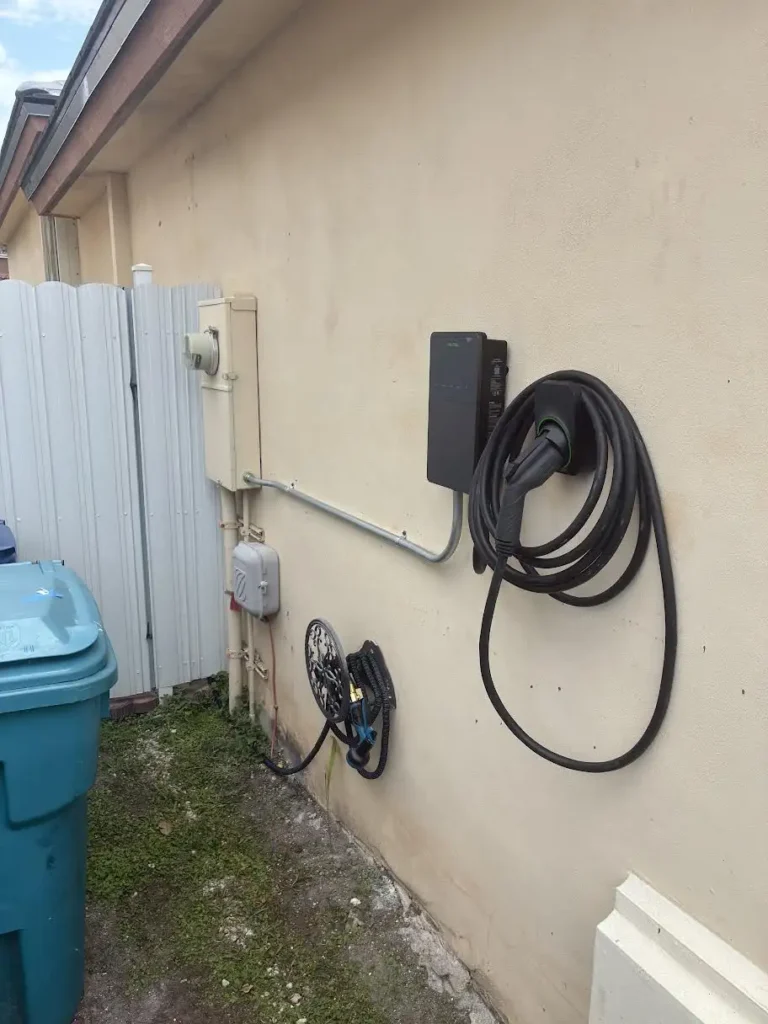
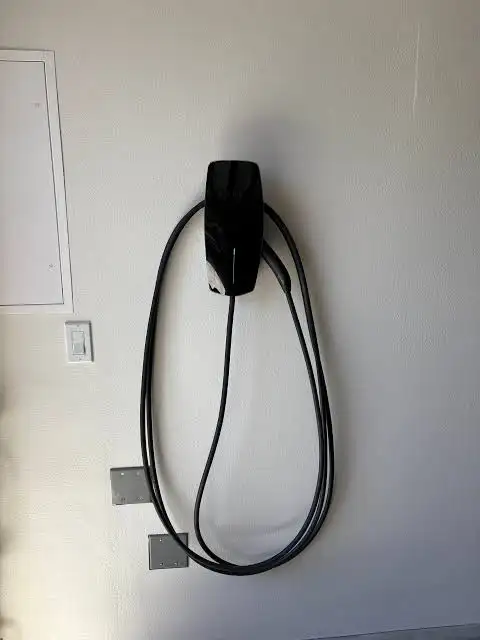
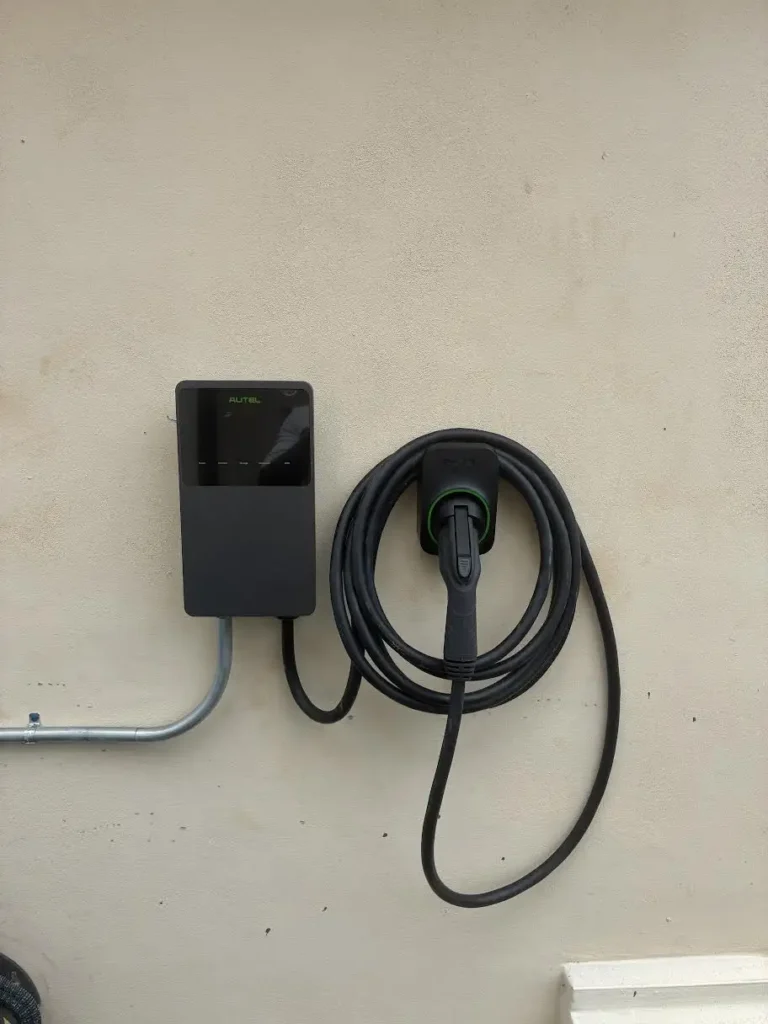
Ready To Get Started?
Power Your Next Project
with confidence
We provide a full range of residential electrical services backed by experience, professionalism, and a commitment to safety. No shortcuts. No surprises. Just dependable work you can trust.
Across South Florida
Miami-Dade County
Palm Beach County
Broward County